When outdated or damaged electronic equipment is discarded without proper treatment, it can become a significant source of environmental pollution. Electronic products contain a combination of metals, plastics, glass, circuit boards, batteries, and other components. Some of these materials can release hazardous substances when devices are dumped, burned, dismantled, or recycled through unsafe methods. The […]
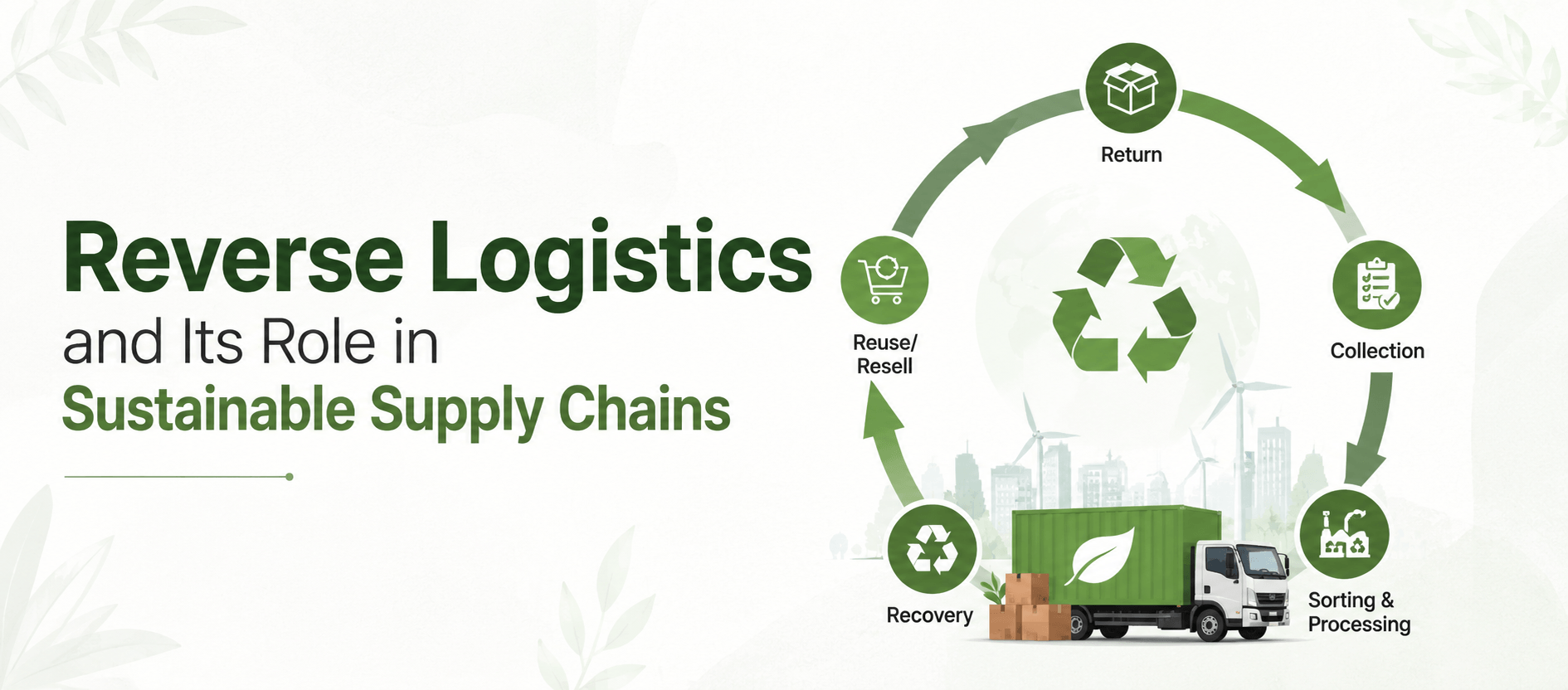
Reverse logistics refers to the process of moving products, materials, and equipment from the end user back through the supply chain for purposes such as reuse, refurbishment, repair, remanufacturing, recycling, or environmentally responsible disposal. It has become an essential component of sustainable supply chain management, helping businesses reduce waste, recover valuable resources, improve operational efficiency, […]
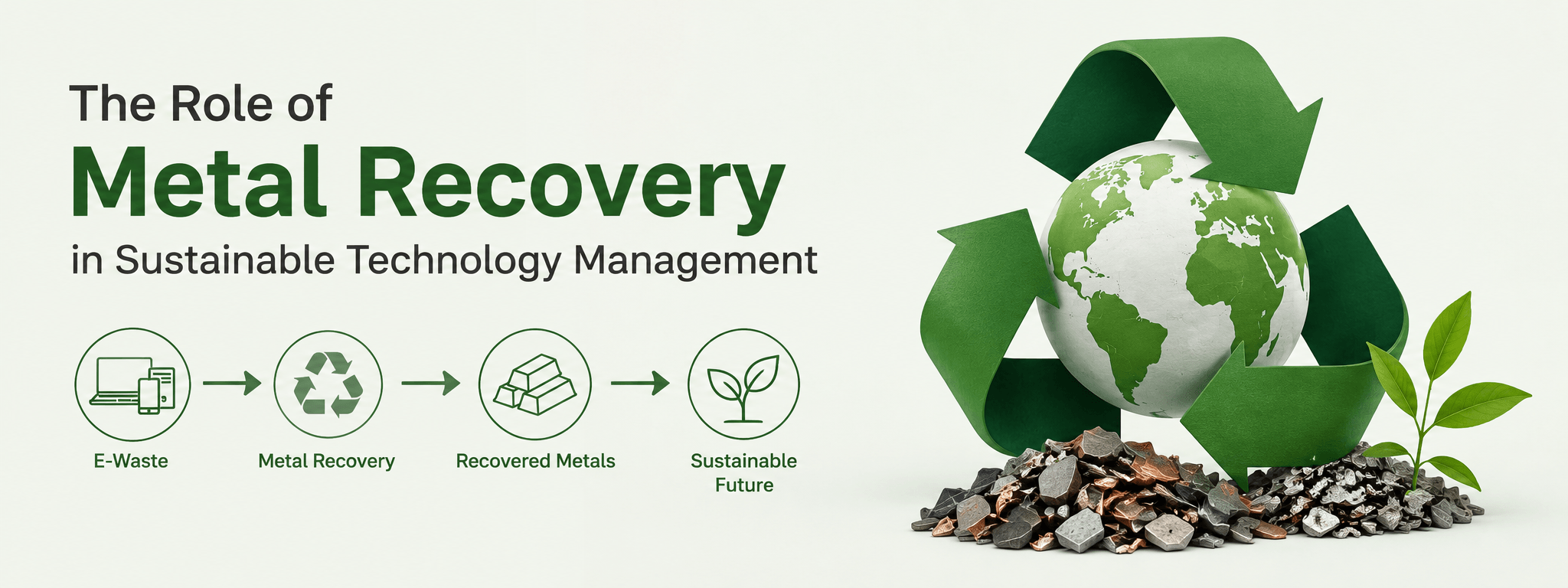
Technology is evolving at an unprecedented pace, driving innovation across industries and transforming the way businesses operate. Organizations regularly upgrade computers, laptops, servers, networking equipment, storage devices, smartphones, and other electronic assets to improve efficiency, strengthen cybersecurity, and remain competitive. While these technological advancements deliver numerous business benefits, they also generate a growing volume of […]
Technology has become the backbone of modern businesses, enabling organizations to improve productivity, enhance communication, and accelerate digital transformation. From laptops and desktops to servers, networking equipment, storage devices, printers, and mobile devices, businesses depend on IT infrastructure to support their daily operations. However, as technology advances rapidly, organizations frequently replace outdated equipment with newer, […]
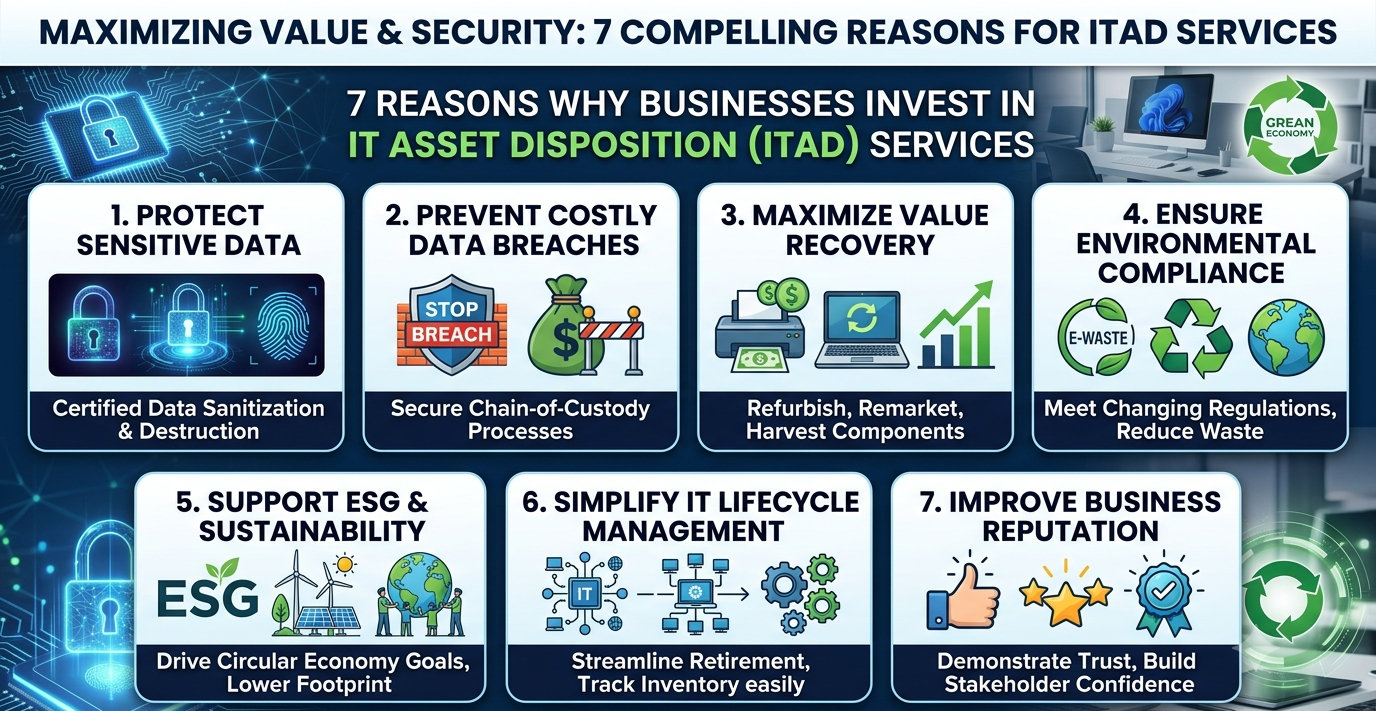
Simply storing obsolete equipment in a warehouse or disposing of it as electronic waste is no longer a practical or responsible solution. Old IT equipment often contains confidential business information, valuable recoverable components, and materials that require environmentally responsible handling. Improper disposal can expose organizations to data breaches, regulatory penalties, financial losses, and environmental risks. […]
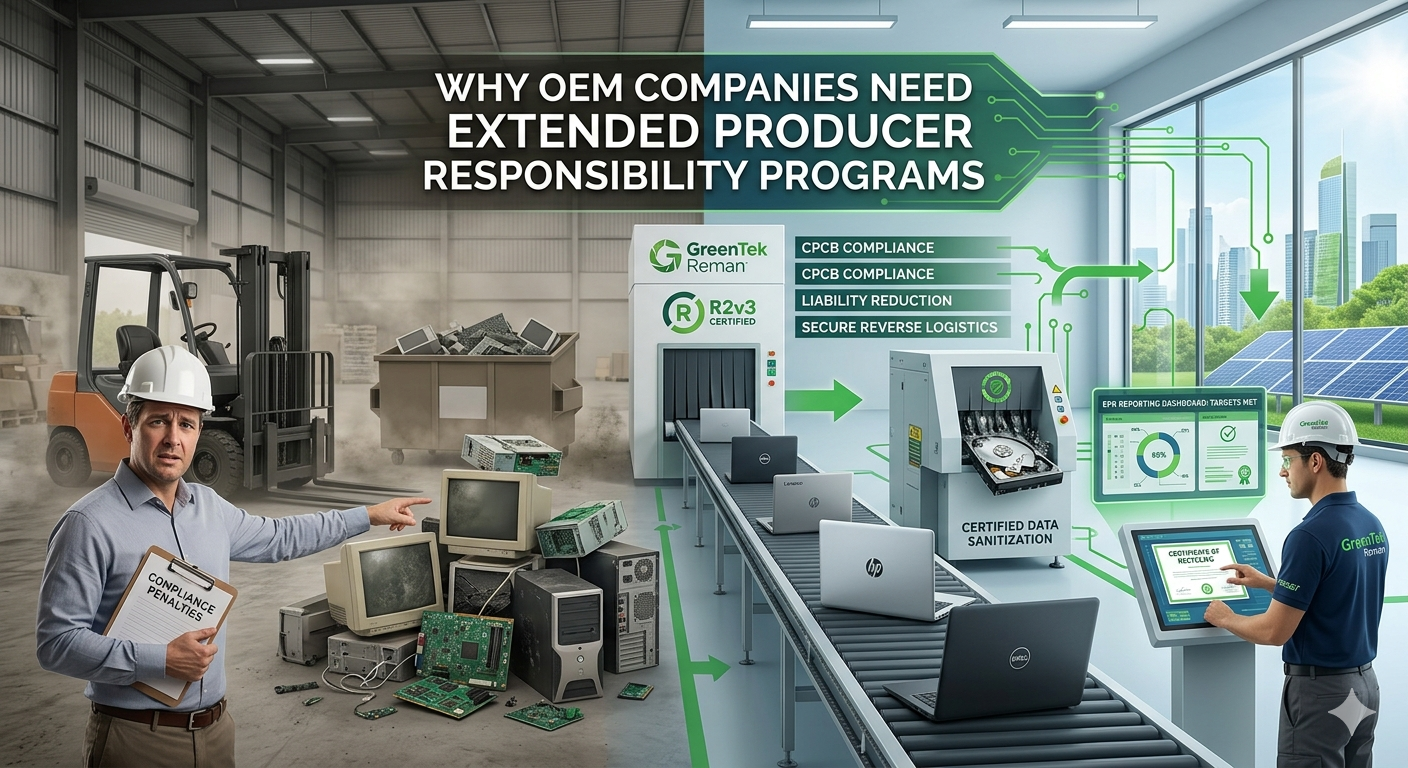
Rapid technological evolution has compressed the operational lifecycle of electrical and electronic equipment (EEE). Devices are replaced faster than ever before, resulting in a massive surge of global electronic scrap. For Original Equipment Manufacturers (OEMs), product accountability no longer stops at the point of sale. The regulatory and environmental landscapes demand that tech producers actively […]
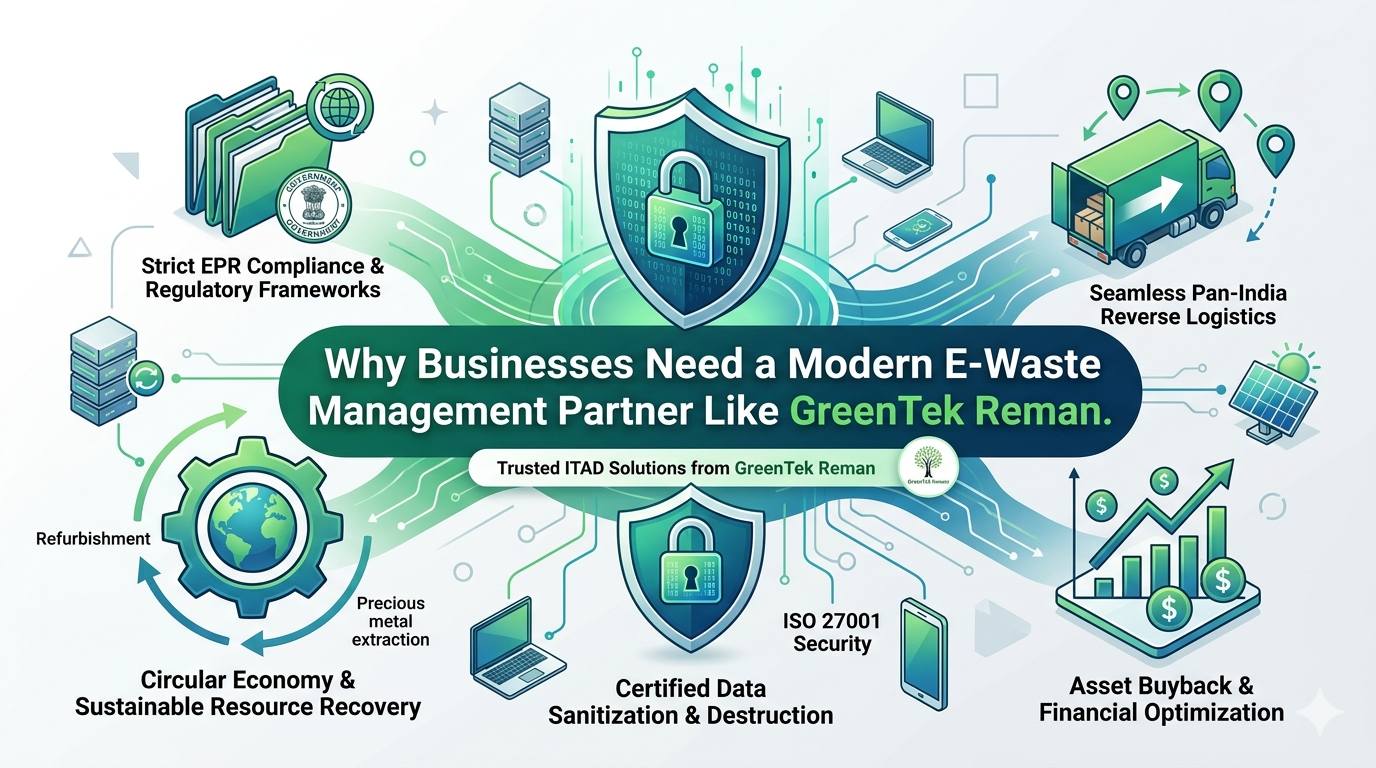
In the modern corporate ecosystem, rapid technological evolution is a double-edged sword. While upgrading to the latest enterprise servers, corporate laptops, mobility assets, and networking equipment drives unprecedented productivity, it simultaneously accelerates a critical bottleneck: the unprecedented growth of corporate electronic waste (e-waste). For today’s enterprises, smart e-waste management has evolved beyond the simple act […]

Electronic devices have shorter lifecycle periods than ever before due to rapid innovation, changing consumer expectations, and frequent hardware upgrades. As a result, millions of electronic products are discarded every year, creating enormous pressure on waste management systems and environmental resources. Improper disposal of electronic waste can have serious environmental consequences. E-waste contains valuable recoverable […]
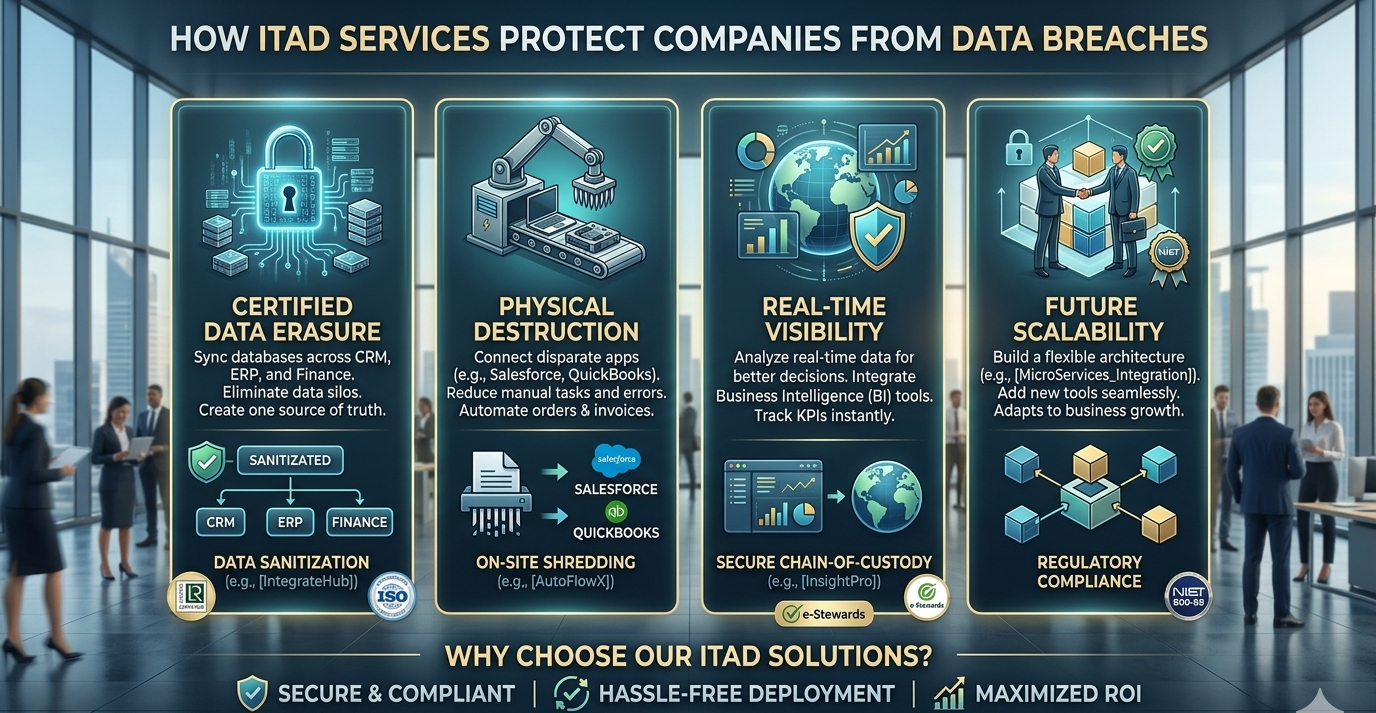
Many organizations assume that once a device is no longer in use, it no longer poses a risk. This assumption can be costly. Even after deletion or formatting, data often remains recoverable using readily available tools. Hard drives, solid-state drives, and other storage media can retain sensitive information long after they have been decommissioned. Retired […]
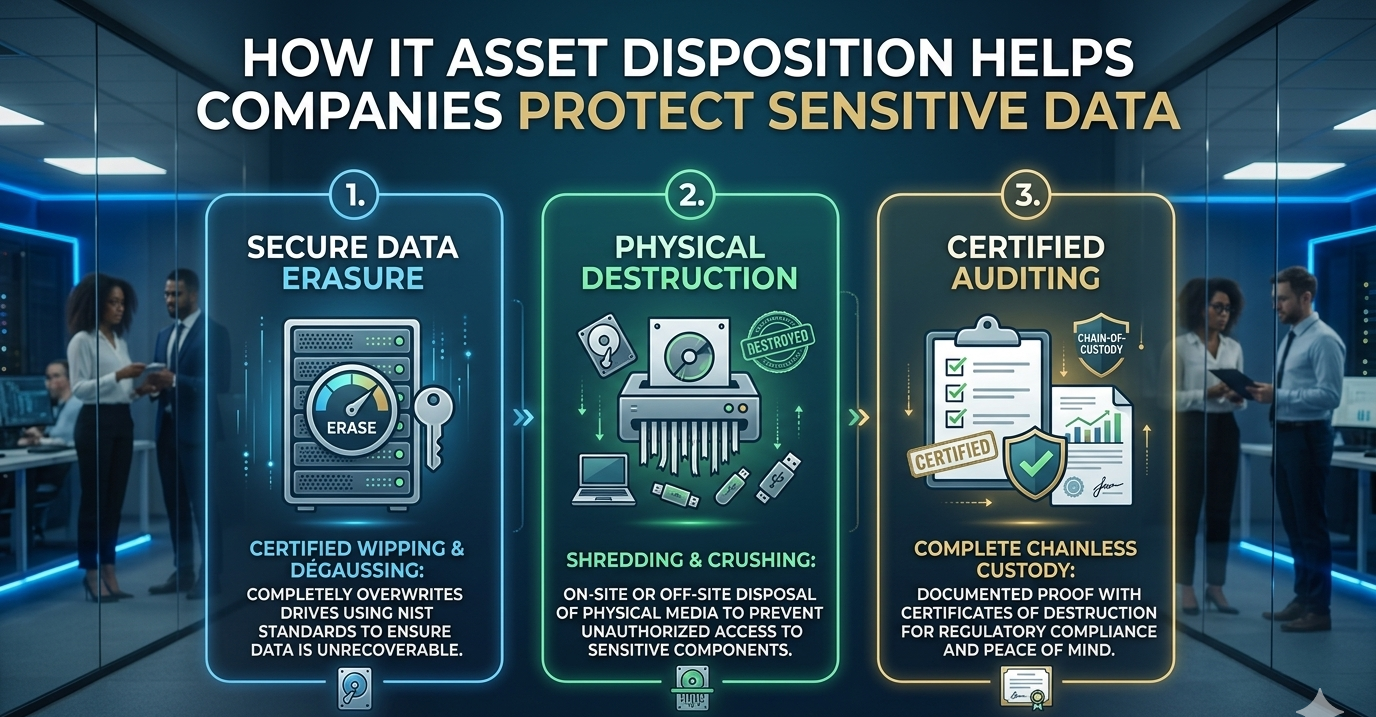
From customer records and employee information to financial documents and intellectual property, companies manage enormous volumes of sensitive information every day. While organizations often focus heavily on cybersecurity during the active life cycle of their devices, many overlook one of the most critical stages of data protection, the disposal of outdated IT equipment. Computers, servers, […]