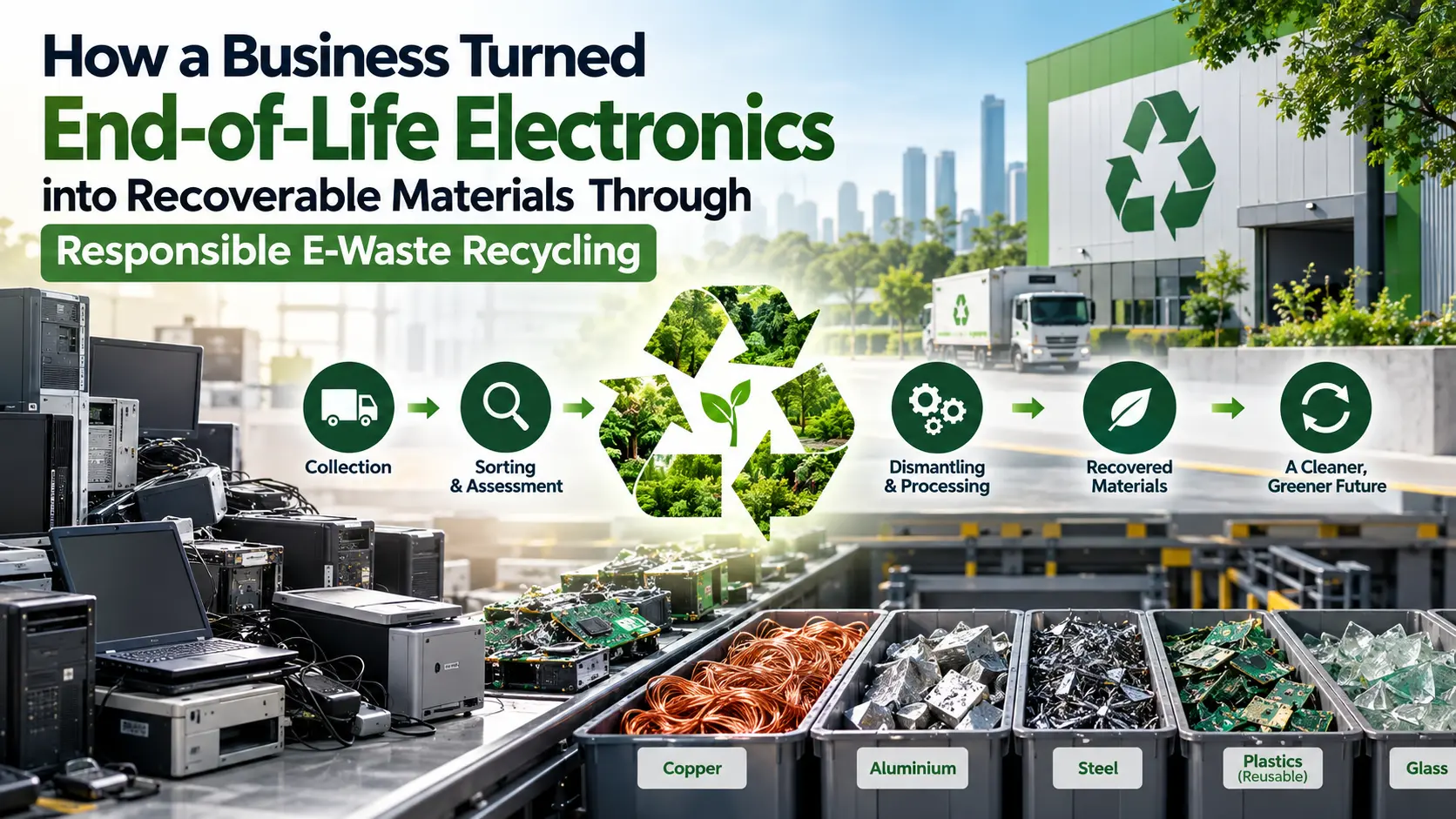
For many businesses, replacing outdated electronic equipment is a routine part of keeping operations efficient. Laptops are upgraded, desktops are replaced, networking equipment reaches the end of its useful life, and older electronic components gradually become unusable. What often receives less attention is what happens to these devices after they are removed from service. For […]
Addressing the Environmental, Health and Compliance Risks of Unscientific E-Waste Disposal India’s rapid adoption of digital technology has created enormous economic and operational opportunities for businesses, institutions and consumers. However, the same technology-driven growth is also producing a rapidly expanding stream of electronic waste. When these discarded IT assets are managed through formal collection, secure […]
How GreenTek Reman Supports Businesses in Building a Secure, Compliant and Sustainable E-Waste Management Ecosystem Industry Context India is experiencing a rapid transformation in the way businesses, consumers and institutions use technology. Laptops, desktops, servers, smartphones, networking equipment, storage devices, printers, monitors and other electronic products have become essential to everyday operations. At the same […]
Technology has improved communication, productivity, education, healthcare, financial services, and access to information. But there is another side to this rapid digital growth. Every upgraded laptop, replaced smartphone, discarded printer, outdated server, or damaged electronic device eventually reaches a point where it must be reused, refurbished, recycled, or responsibly disposed of. When this process is […]
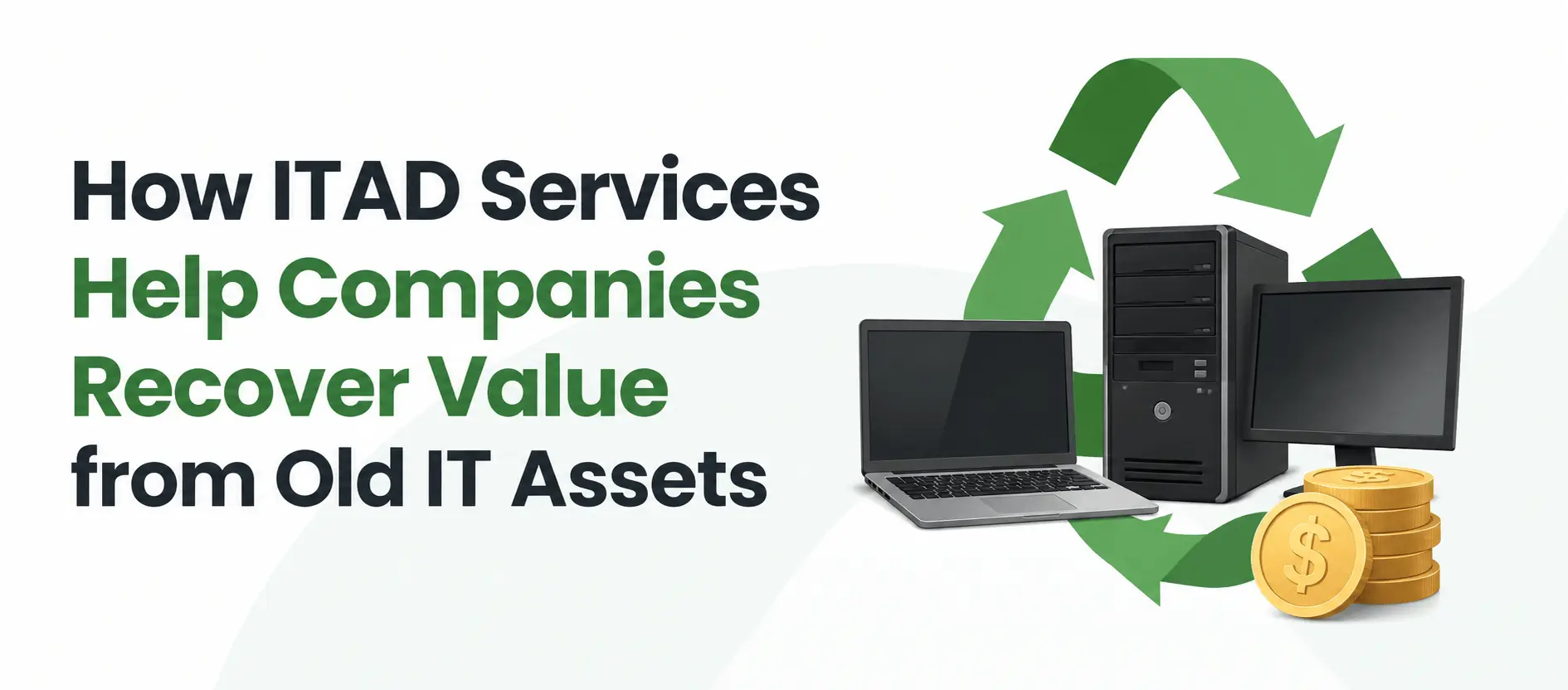
Many organizations continue to store retired IT equipment in warehouses or office storage rooms, believing the devices have little or no remaining value. Others dispose of obsolete electronics without considering the financial, environmental, and data security implications. Both approaches can result in lost revenue opportunities, increased compliance risks, and unnecessary electronic waste. This is where […]
For businesses, governments, manufacturers, and consumers, responsible electronics recycling is about much more than waste disposal. It is about changing how we think about technology throughout its entire lifecycle. Device recycling involves collecting discarded electrical and electronic equipment and processing it so that useful materials, components, and resources can be recovered. Depending on the condition […]
When outdated or damaged electronic equipment is discarded without proper treatment, it can become a significant source of environmental pollution. Electronic products contain a combination of metals, plastics, glass, circuit boards, batteries, and other components. Some of these materials can release hazardous substances when devices are dumped, burned, dismantled, or recycled through unsafe methods. The […]
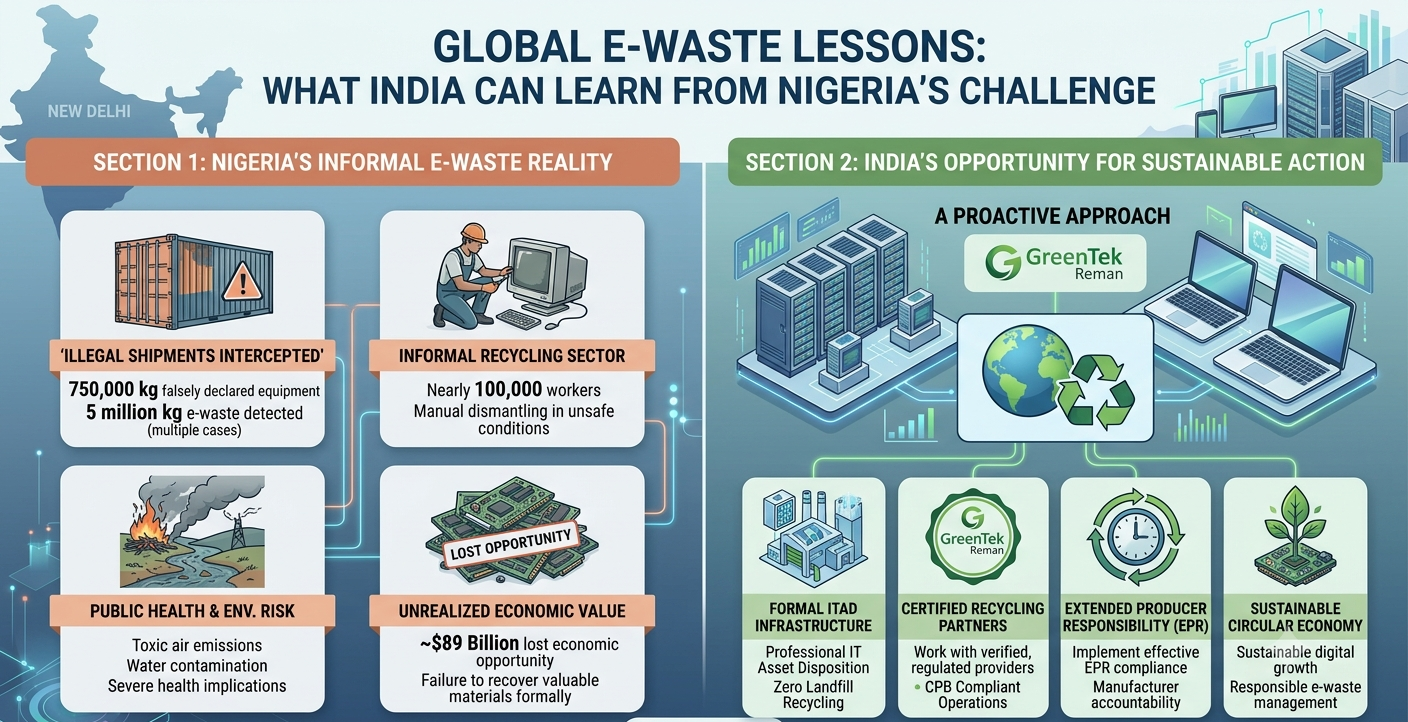
A recent report published by The Guardian Nigeria highlighted a concerning reality: when electronic waste is managed primarily through informal channels, countries risk losing not only valuable resources but also significant economic opportunities. The scale of the challenge becomes even more striking when we look at the numbers. As highlighted, authorities have intercepted major illegal […]
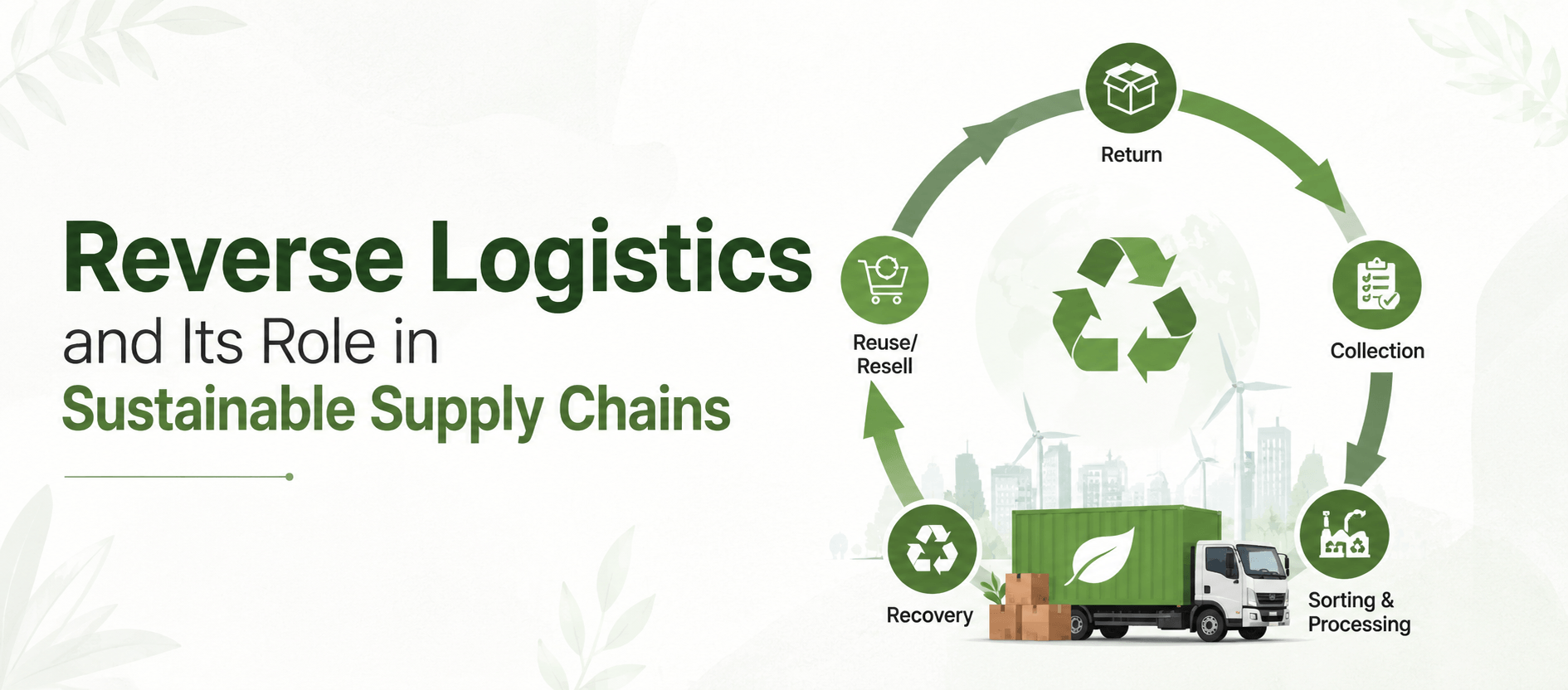
Reverse logistics refers to the process of moving products, materials, and equipment from the end user back through the supply chain for purposes such as reuse, refurbishment, repair, remanufacturing, recycling, or environmentally responsible disposal. It has become an essential component of sustainable supply chain management, helping businesses reduce waste, recover valuable resources, improve operational efficiency, […]
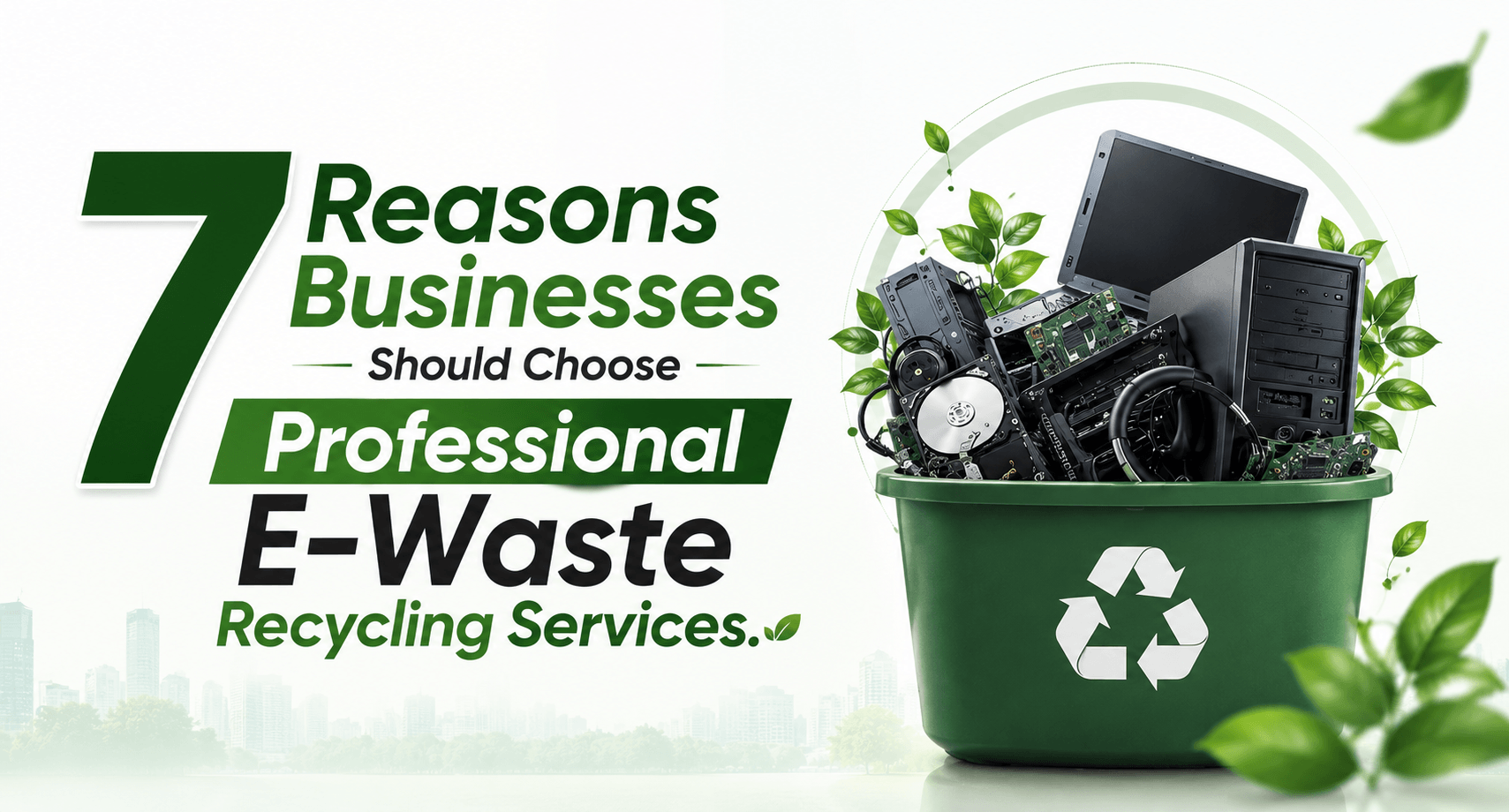
Technology has become the backbone of modern businesses, enabling organizations to improve productivity, enhance communication, and accelerate digital transformation. From laptops and desktops to servers, networking equipment, storage devices, printers, and mobile devices, businesses depend on IT infrastructure to support their daily operations. However, as technology advances rapidly, organizations frequently replace outdated equipment with newer, […]