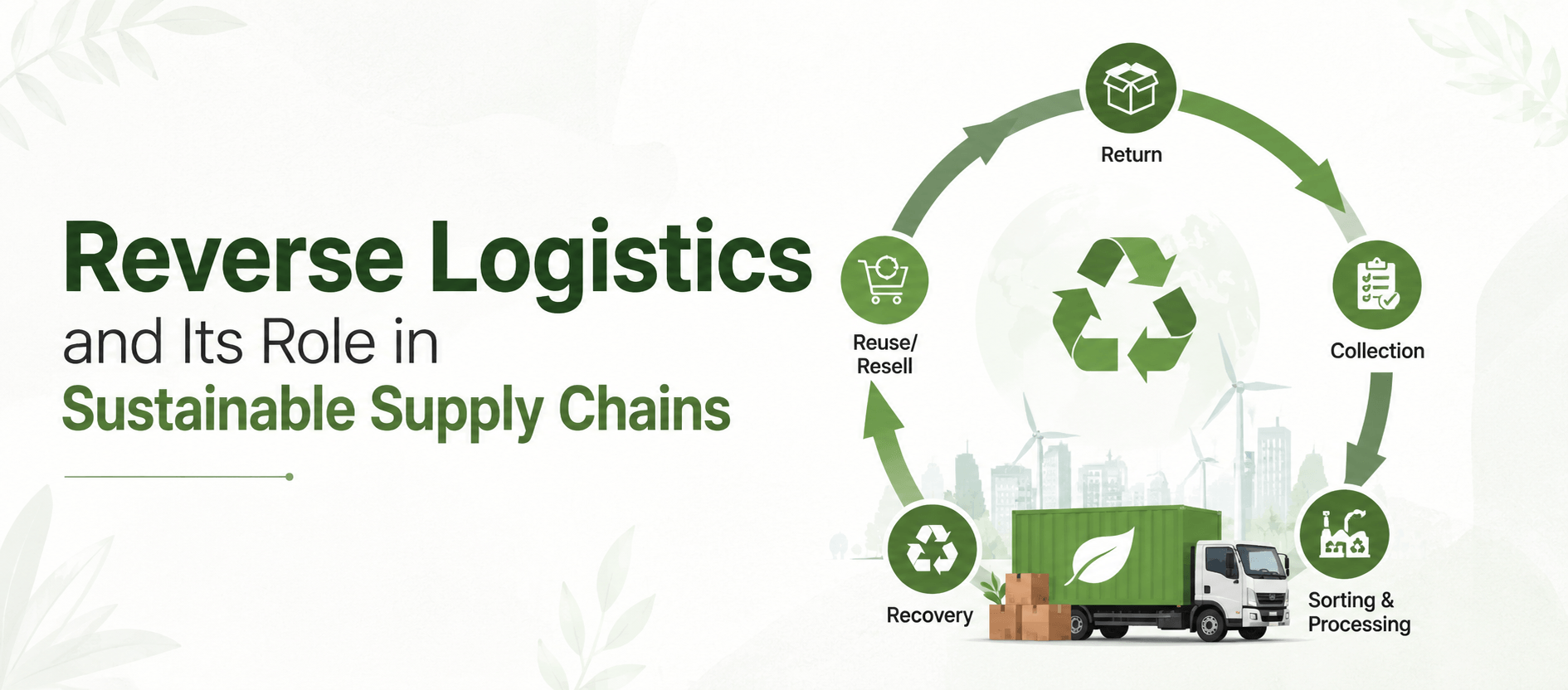
Reverse Logistics and Its Role in Sustainable Supply Chains
Reverse logistics refers to the process of moving products, materials, and equipment from the end user back through the supply chain for purposes such as reuse, refurbishment, repair, remanufacturing, recycling, or environmentally responsible disposal. It has become an essential component of sustainable supply chain management, helping businesses reduce waste, recover valuable resources, improve operational efficiency, and support circular economy initiatives.
For industries that handle electronic equipment, IT assets, batteries, solar panels, industrial machinery, and consumer electronics, reverse logistics is no longer optional. It is a vital process that supports responsible product lifecycle management while creating economic and environmental value.
Reverse logistics is the structured process of managing products after they have reached the customer or completed their intended lifecycle. Unlike forward logistics, which focuses on delivering products from manufacturers to customers, reverse logistics manages the return journey of products for inspection, collection, transportation, refurbishment, recycling, repair, remanufacturing, resale, or safe disposal.
This blog explores the importance of reverse logistics, its role in building sustainable supply chains, the benefits it offers businesses, and why partnering with an experienced reverse logistics service provider is essential for long-term sustainability.
Why Reverse Logistics Is Becoming a Strategic Priority for Modern Businesses
Businesses today operate in an environment shaped by increasing customer expectations, stricter environmental regulations, and growing pressure to achieve Environmental, Social, and Governance (ESG) objectives. Consumers increasingly expect companies to manage returned products responsibly, while governments encourage sustainable waste management and resource recovery through various environmental regulations.
At the same time, organizations are recognizing that reverse logistics represents an opportunity to recover valuable materials, improve customer satisfaction, optimize inventory management, and reduce procurement costs. Whether managing returned electronics, obsolete IT equipment, industrial components, or recyclable materials, efficient reverse logistics systems enable businesses to create measurable economic and environmental benefits.
Companies that invest in reverse logistics also strengthen their sustainability credentials while improving supply chain resilience and operational efficiency.
How Reverse Logistics Supports Circular Economy and Sustainable Resource Management
The circular economy aims to keep products, components, and raw materials in productive use for as long as possible through reuse, refurbishment, remanufacturing, recycling, and responsible resource recovery. Reverse logistics serves as the operational foundation of this model by ensuring products move back through the supply chain instead of being discarded as waste.
Returned electronic devices, IT assets, batteries, industrial equipment, and packaging materials can often be repaired, refurbished, remanufactured, or dismantled to recover valuable resources. These recovered materials are then reintroduced into manufacturing processes, reducing dependence on virgin raw materials and lowering environmental impact.
By integrating reverse logistics into sustainable supply chain management, organizations improve material efficiency, reduce landfill waste, conserve natural resources, and contribute to a more resilient and resource-efficient economy.
Improving IT Asset Recovery Through Professional Reverse Logistics Services
Businesses regularly upgrade laptops, desktops, servers, networking equipment, storage devices, and other IT infrastructure to support evolving operational requirements. Managing these retired assets across multiple office locations can be challenging without a structured reverse logistics strategy.
Professional reverse logistics services simplify IT asset collection by coordinating secure transportation, inventory management, asset tracking, and centralized processing. Once collected, equipment is evaluated for refurbishment, remarketing, recycling, or certified disposal depending on its condition.
This structured approach enables businesses to recover value from retired technology while improving IT asset lifecycle management and reducing operational complexity. Efficient IT reverse logistics also supports secure IT Asset Disposition (ITAD) programs and responsible electronic waste management.
Strengthening Data Security During IT Asset Collection and Transportation
One of the biggest concerns associated with retired IT equipment is protecting confidential business information. Laptops, desktop computers, servers, storage devices, and mobile equipment often contain customer data, financial records, employee information, intellectual property, and sensitive corporate documents.
Professional reverse logistics providers implement secure chain-of-custody procedures throughout collection, transportation, storage, and processing. Assets remain fully traceable while being transferred to certified facilities for data sanitization, refurbishment, or recycling.
Combining reverse logistics with certified data destruction services ensures businesses protect confidential information while maintaining compliance with data privacy regulations and cybersecurity standards.
Reducing Electronic Waste Through Responsible Reverse Logistics Solutions
Electronic waste is one of the fastest-growing waste streams globally. Improper disposal of computers, servers, mobile devices, networking equipment, batteries, and other electronic products contributes to environmental pollution and unnecessary resource depletion.
Reverse logistics plays an important role in reducing electronic waste by directing obsolete products toward refurbishment, reuse, remanufacturing, recycling, or responsible disposal rather than landfill disposal. Valuable materials such as copper, aluminum, gold, silver, plastics, and rare earth elements can be recovered and reintroduced into manufacturing supply chains.
Businesses implementing reverse logistics for e-waste management not only reduce environmental impact but also strengthen their sustainability initiatives and demonstrate responsible environmental stewardship.
Industries That Benefit Most from Reverse Logistics Services
Reverse logistics has become valuable across numerous industries. Electronics manufacturers use reverse logistics to manage product returns, warranty claims, refurbishment programs, and recycling initiatives. Information technology companies rely on reverse logistics for secure IT asset recovery and end-of-life equipment management.
Healthcare organizations use reverse logistics to manage medical equipment and electronic devices, while retail businesses streamline customer returns and inventory recovery. Manufacturing companies recover industrial components and packaging materials, and educational institutions manage retired computers and laboratory equipment responsibly.
Government agencies, financial institutions, telecommunications companies, automotive manufacturers, renewable energy organizations, and data centers also depend on reverse logistics to support sustainable asset lifecycle management and environmental compliance.
Why GreenTek Reman Is a Trusted Partner for Reverse Logistics and Sustainable Supply Chain Solutions
Building a sustainable supply chain requires more than transportation, it requires expertise in resource recovery, IT asset management, electronics recycling, and environmental compliance. GreenTek Reman has established itself as one of India’s trusted providers of reverse logistics, IT Asset Disposition (ITAD), e-waste recycling, precious metal recovery, and circular economy solutions.
GreenTek Reman offers comprehensive reverse logistics services that include secure asset collection, nationwide transportation, inventory management, certified data sanitization, refurbishment, remarketing, electronics recycling, material recovery, and regulatory documentation. Its integrated approach helps organizations recover maximum value from retired products while maintaining complete compliance with environmental and information security standards.
Backed by internationally recognized certifications, including R2v3, GreenTek Reman combines advanced technical expertise with nationwide operational capabilities to support businesses across diverse industries. Whether managing IT assets, electronic equipment, batteries, or other end-of-life products, the company enables organizations to build more sustainable, efficient, and resilient supply chains.
Conclusion
As businesses continue to prioritize sustainability, reverse logistics has become an essential element of modern supply chain management. By creating structured processes for product returns, IT asset recovery, refurbishment, recycling, and responsible disposal, organizations can significantly reduce waste while maximizing the value of existing resources.
Reverse logistics not only supports circular economy principles but also improves operational efficiency, strengthens data security, enhances regulatory compliance, and contributes to long-term environmental sustainability. From reducing electronic waste and recovering valuable materials to supporting ESG initiatives and optimizing asset lifecycle management, the benefits extend across every stage of the supply chain.